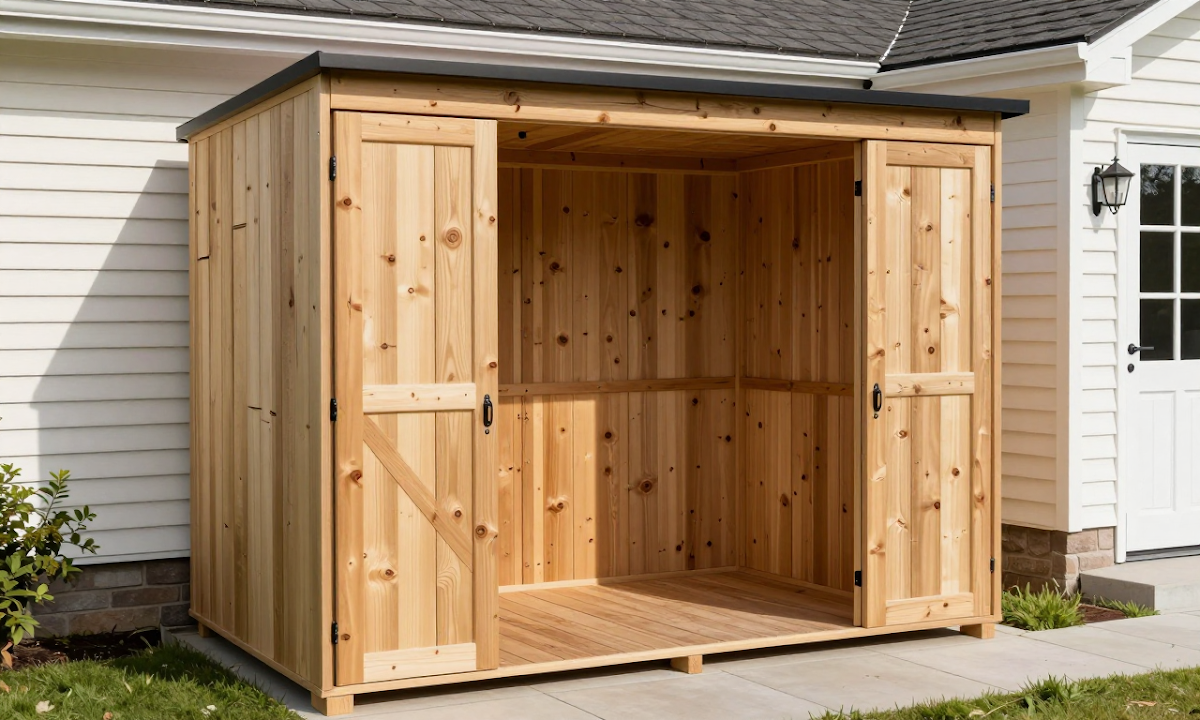
Lean-to sheds are perfect for small backyard projects and practical outdoor storage solutions. Whether you need extra space for gardening tools, a workshop area, or even a cozy She Shed, this guide will show you how to build your own lean-to shed with ease. We'll cover everything from choosing the right location in your yard to selecting materials that are both durable and budget-friendly. By the end of this article, you’ll have all the knowledge needed to tackle this DIY project successfully.
In this article:
Introduction to Lean-To Sheds
A lean-to shed is a type of structure designed to fit against an existing wall, such as a house or another building. This design allows for efficient use of space by adding storage functionality without requiring additional land area. Lean-to sheds are particularly useful in small backyard spaces where maximizing the available area is crucial.
The primary benefit of lean-to sheds lies in their compact footprint and versatility. They can be built to accommodate a wide range of sizes, from modest 4x8 configurations suitable for basic tools and supplies storage, up to larger structures that can house equipment like lawnmowers, garden tractors, or even small workshops.
The construction process is generally simpler compared to detached shed projects. The roof is built directly onto the existing structure's wall, making it easier to erect and requiring fewer materials than a standalone shed. This makes lean-to sheds an ideal choice for DIY enthusiasts who are looking for something that can be completed within a few days or less.
In terms of design flexibility, lean-to sheds offer several options. You can customize the layout by adding doors on either side to maximize access and storage capacity. The placement of windows is also flexible; some owners prefer to include them for natural light while others opt for privacy. Additionally, you have control over the materials used, allowing you to choose between traditional wood framing or modern composite materials that are more durable in outdoor environments.
One notable advantage of lean-to sheds is their cost-effectiveness. By leveraging an existing wall as a foundation, they reduce overall construction costs and allow for quicker completion times compared to building from scratch. This makes them well-suited for small-scale projects where the goal is to maximize utility without overspending.
To sum up, lean-to sheds are an excellent choice for those seeking practical outdoor storage solutions in limited spaces. Their compact design ensures efficient use of backyard areas while providing a simple and affordable option that can be completed relatively quickly by DIY enthusiasts or small construction teams. With various customization options available, these structures offer flexibility to meet diverse needs and preferences.
Next, we'll dive into the materials needed for constructing your own lean-to shed, ensuring you have all the information required to embark on this rewarding project.
Choosing the Right Location
When choosing the right location for your lean-to shed, there are several key factors to consider to ensure it’s both functional and safe. First and foremost, you need to have access to power and water if these amenities are required for your storage needs. If electricity is needed, locate the shed near an outdoor socket or plan to install one before starting construction. For sheds requiring water connections, make sure there's a nearby faucet. Another important consideration is drainage. Ensure that the spot where you intend to build does not sit in a low-lying area prone to flooding during rainstorms. If the ground is uneven, consider leveling it out with topsoil or concrete pavers before construction begins. This can also help prevent water pooling around your shed’s foundation. Safety should be at the forefront of any decision regarding where you place your shed. Avoid areas near power lines and ensure there are no trees close enough to pose a risk of falling during storms, which could damage your shed or even worse, cause harm if they land on it. Finally, think about how much sunlight the site receives throughout the year. If you plan to use the space for gardening tools or other items that need to be kept dry and in good condition, then having some sun exposure is beneficial. On the flip side, if your storage area will house items like garden equipment that can handle a bit of moisture, less direct sunlight may not be as critical. In summary, when selecting an appropriate spot for your lean-to shed, make sure it’s accessible for utilities, elevated to prevent water accumulation, and situated in a location that ensures both safety and the right amount of sunlight.
Materials Needed
To build your own lean-to shed, you'll need to gather a list of essential materials and tools. Here's what you’ll require:
- Tools: A circular saw (or handsaw), hammer, level, drill/driver with various bits, measuring tape, square, stud finder, and safety glasses.
- Foundation: Pressure-treated 4x4 skids (for stability) or concrete piers to elevate the shed off the ground. You’ll also need screws for the skid connections if using pressure-treated wood.
- Framing: 2x4 lumber, 1x3 trim pieces, and 3/4-inch exterior plywood for the walls and floor. For insulation, consider 1" x 2" batts of fiberglass or cellulose between studs in walls to improve energy efficiency.
- Siding: 5/8" hardboard siding for covering the exterior walls, with a layer of 3/4-inch exterior plywood as an underlayment. This ensures a smooth surface and added durability.
- Roofing: 12- or 16-gauge galvanized metal roofing panels or asphalt shingles for covering the roof. If you’re using shingles, consider adding ridge vents to help with moisture management. For an extra layer of protection and insulation, add a layer of underlayment between the framing and shingles.
- Doors: Pre-hung exterior doors or a solid 1x2 frame with weatherstripping for your front door are essential. Consider adding a storm door to improve security.
- Windows: Standard single-pane windows work well, but you can also opt for double-pane for better insulation and energy efficiency. Make sure they fit the opening properly and have weatherstripping around them.
In addition to these materials, make sure to check your local building codes and zoning laws before you start construction. Local regulations might require a permit or specific materials that are not covered here. Always wear safety gear when handling tools and materials, including gloves for protection against splinters and sharp edges.
Remember, the quality of these materials will significantly impact the durability and longevity of your shed. It's important to buy from reputable suppliers who provide warranty service if something goes wrong with their products.
Final Thoughts
In conclusion, building a lean-to shed is a practical project that can significantly enhance your backyard space while providing storage solutions for various items around the home. The three most important takeaways from this guide are: 1. Choosing the Right Location: Ensure you select an area in your yard with good drainage and access to utilities if necessary. 2. Materials Needed: Gather all essential materials, including pressure-treated lumber, roofing shingles, siding, and fasteners that can withstand outdoor conditions. 3. Foundation: Depending on local regulations, consider building a simple concrete pad or using skids for support. To get started tonight, take the first small step of measuring out your shed's footprint with stakes and string to determine its location precisely before buying any materials.

0 komentar:
Posting Komentar